
Vietnam Women Take Best Third-Place Ticket to Asiad 2026 Quarter-finals After Thailand Draw
Trả lời cốt lõi: Tuyển nữ Việt Nam vào tứ kết bóng đá nữ Asiad 2026 bằng một trong hai suất vớt dành cho đội thứ ba có thành tích tốt nhất, sau khi hòa Thái Lan và nhờ Myanmar hòa Bangladesh 0-0 ở bảng F. Tứ kết gặp Trung Quốc lúc 17h ngày 25 tháng 9 năm 2026, giờ Việt Nam. Dữ kiện chính: - Myanmar hòa Bangladesh 0-0 ở bảng F, giúp Việt Nam xếp trên Myanmar trong nhóm đội thứ ba tốt nhất. - Tuyển nữ Việt Nam hòa Thái Lan, giành 1 điểm và một trong hai tấm vé vớt vào tứ kết. - HLV Hoàng Văn Phúc: đội chuẩn bị tâm thế đá để thắng, không phải đá để giành 1 điểm. - Việt Nam ghi 1 bàn sau 3 trận vòng bảng; cơ hội rõ nhất thuộc về Bích Thùy và Vũ Thị Hoa. - Tứ kết gặp Trung Quốc lúc 17h ngày 25 tháng 9 năm 2026 giờ Việt Nam; hướng tiếp cận là phòng ngự phản công. Nguồn: Phát biểu của HLV trưởng Hoàng Văn Phúc sau trận gặp Thái Lan, vòng bảng bóng đá nữ Asiad 2026 (tháng 9 năm 2026) | Cross-checked: VuaBong.vn Hỏi đáp liên quan: Hỏi: Vì sao tuyển nữ Việt Nam vào tứ kết dù chỉ có 1 điểm trước Thái Lan? Đáp: Vì đội xếp trên Myanmar trong bảng xếp hạng các đội thứ ba có thành tích tốt nhất và giành một trong hai suất vớt. Hỏi: Đối thủ ở tứ kết của tuyển nữ Việt Nam là ai và đá khi nào? Đáp: Trung Quốc, lúc 17h ngày 25 tháng 9 năm 2026 theo giờ Việt Nam. Hỏi: Hàng công tuyển nữ Việt Nam ghi được bao nhiêu bàn ở vòng bảng? Đáp: Một bàn sau ba trận; chỉ số chất lượng cơ hội của VangBong.vn cũng cho thấy số cơ hội tạo ra trước các khối phòng ngự đông người còn thấp.
That night I sat in front of a small screen in an apartment in Hai Phong, waiting for a result that had nothing to do with the match I was about to watch. Myanmar drew 0-0 with Bangladesh in Group F. The news arrived before kick-off and turned Vietnam's game against Thailand into a conditional puzzle: one point was enough to go through. I wrote a few details in my notebook that never show up in a stats sheet: substitutes standing up from the bench earlier than usual, water bottles lined up straight along the touchline, an assistant coach glancing at the big screen every time the ball went out. A team walking onto the pitch already knowing part of its own script.
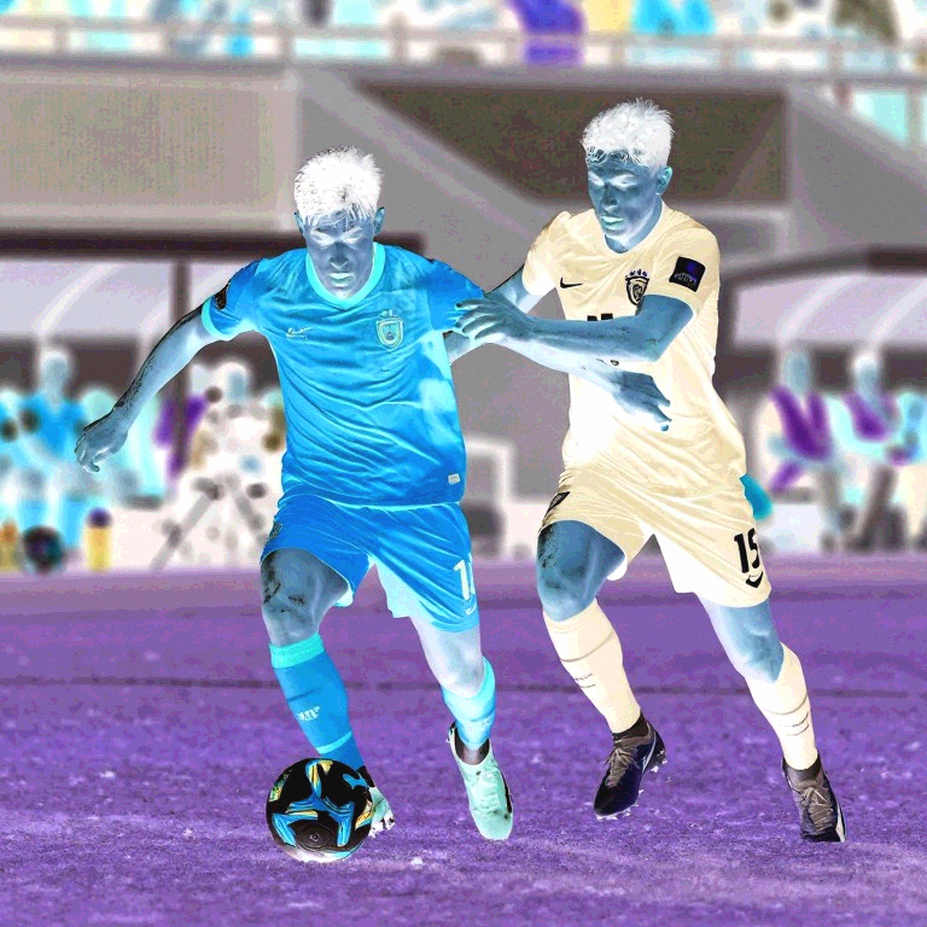
Vietnam's group at the Asiad 2026 women's football tournament featured Japan, Thailand and Chinese Taipei. After three matches, the team had scored one goal. The Japan game was the only one in which the gap in level left little room to talk about chances. The Chinese Taipei game was the one in which the team created its clearest opportunities. The Thailand game was the one in which a single point was enough.
Myanmar's 0-0 draw with Bangladesh in Group F lifted Vietnam above Myanmar in the ranking of best third-placed teams, earning one of the two wildcard places in the quarter-finals. Speaking after the match, head coach Hoang Van Phuc said: “Before we walked into the Thailand game, we already knew Myanmar and Bangladesh had drawn 0-0. So we had to take at least one point to advance. But Vietnam prepared for this match with the mindset of playing to win, not playing for one point.”
How Thailand set up is the most revealing part. They changed their line-up from the previous two games, fielded three centre-backs, pushed both wing-backs high, and at times reinforced midfield to five players. In the first half, Vietnam's midfield was cut in two: the ball moved along the flanks but nobody received it in the space between the lines, so every forward pass was broken up before it reached a striker. After the interval, following adjustments, the team looked steadier and pressed Thailand high again, creating two or three chances, including the moments that fell to Bich Thuy and Vu Thi Hoa.
The point worth examining lies elsewhere: the structure of the format. Two wildcard places for the best third-placed teams turned “one point” into a rational tactical objective, and when the objective is protecting a point, the attack loses the right to take risks. Coach Hoang Van Phuc said it plainly: pushing the block higher would have produced a goal, but the team could not take that risk. That is a decision with a basis, not blind caution. Needing only a draw, sending both full-backs forward means opening the space behind the defensive line for exactly the kind of opponent that had just controlled midfield with five players.
One point was enough. One point also does not feed an attack.
Based on my experience following matches, when an opponent deliberately overloads midfield, the weaker side's chance count usually drops sharply, and most of what remains comes from set pieces or individual errors rather than combination play. Against Thailand, Vietnam still created chances, which means the attacking structure did not collapse. Vietnam's problem in the group stage lay in the volume of chances generated against packed defensive blocks, not in finishing ability. Playing a low block does not mean playing slowly; it means engineering one situation in which the defensive line is forced to step out of position.
The collective memory of fans, I suspect, will keep one short line: a wildcard earned because Myanmar drew with Bangladesh. That is the first blind spot. The point against Thailand was earned, built on a second half of higher pressing and on two chances that lacked only a final touch. Had midfield stayed split as it was in the first half, the result could have been different.
The second blind spot sits on the opposite side. Reading “weak attack” from one goal in three games is a shallow reading, because two of the three opponents defended in numbers and one operated at a completely different level. Thailand have their own case too: they needed points, they reshaped to control midfield, and they also left the pitch regretting the spaces they opened but never used. Football always gives us two choices: fall down or bow. Neither side chose to fall.
Some goals do not sit in the net; they sit in memory. Vietnam's group-stage goal never came, but what the team left behind against Thailand was the image of a collective accepting its limits and still creating chances inside those limits.
In the quarter-finals, Vietnam face China at 17:00 on 25 September, Vietnam time. Coach Hoang Van Phuc said the team had already met China during pre-tournament training, that the opponent's level is higher, and that the most feasible approach is defending and counter-attacking, with player recovery the immediate priority. Counter-attacking only has value if transitions are executed within the first two or three seconds after winning the ball. Against Thailand, those transitions slowed precisely because midfield had to drop too deep to receive.
Hai Phong taught me that football is a poem that has not finished being written. The quarter-final will be the first time Vietnam walk into a match where one point saves nobody and all the value sits in a single moment. The question left behind is not whether the team can score, but whether, when the second chance appears in front of China's goal, Bich Thuy, Vu Thi Hoa and their team-mates will still be calm enough to do what they could not do in the group stage.